

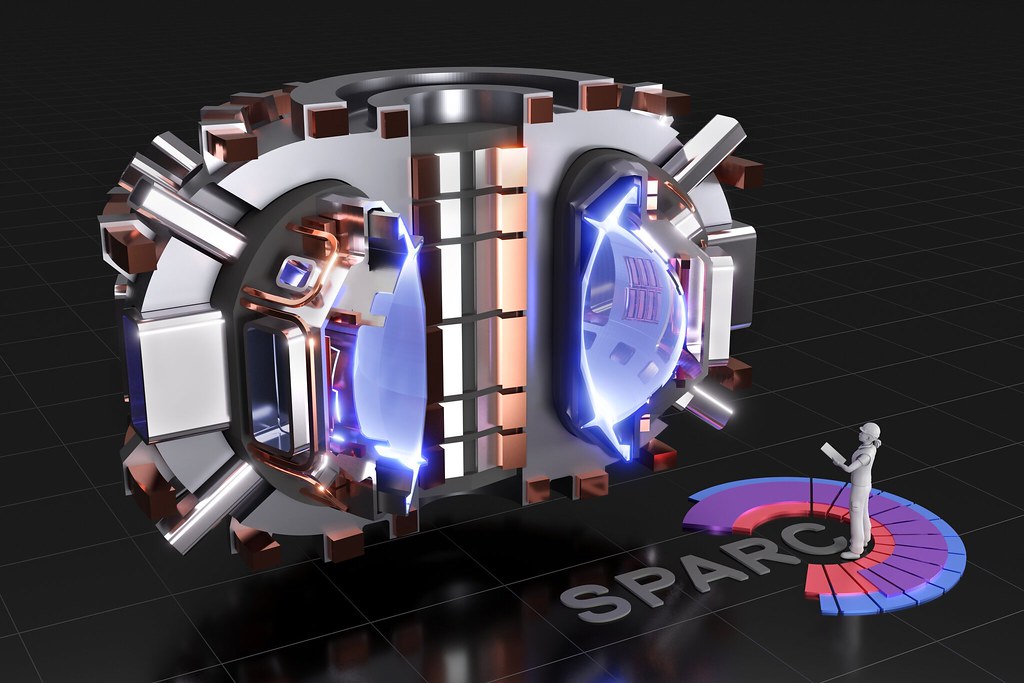
Fusion reactor news is buzzing with excitement as the world’s largest fusion reactor completes its final 485-ton vacuum vessel sector. This milestone marks a significant step towards sustainable energy solutions.
What is the significance of the final vacuum vessel?
The completion of the final vacuum vessel for the world’s largest fusion reactor marks a significant milestone in the quest for sustainable energy solutions. This 485-ton structure is integral to the reactor’s ability to create the conditions necessary for nuclear fusion, a process that powers the sun and has the potential to revolutionize energy production on Earth.
The vacuum vessel serves several crucial purposes:
- Containment: It houses the plasma, ensuring that the extreme temperatures required for fusion are maintained without any heat loss.
- Safety: The vessel provides a secure environment, preventing any radioactive materials from escaping into the atmosphere.
- Efficiency: A well-designed vacuum vessel enhances the overall efficiency of the fusion process, which is vital for achieving net positive energy output.
The advancements in vacuum vessel technology signify a leap forward in fusion reactor news, as researchers and engineers continue to refine and optimize designs. As the world looks for cleaner and more reliable energy sources, this breakthrough is a promising step towards realizing the potential of fusion energy, paving the way for a sustainable energy future.
How does the fusion reactor work?
Fusion reactors harness the power of nuclear fusion, the same process that fuels the sun, to generate energy. In a fusion reactor, two light atomic nuclei combine to form a heavier nucleus, releasing an immense amount of energy in the process.
The primary components of a fusion reactor include:
- Plasma: The fuel for fusion, typically isotopes of hydrogen, is heated to extremely high temperatures, creating a state of matter called plasma.
- Magnetic confinement: Strong magnetic fields are used to contain and control the hot plasma, preventing it from coming into contact with the reactor walls.
- Heating systems: Various techniques, such as radiofrequency waves and neutral beam injection, are employed to heat the plasma to the necessary temperatures for fusion.
- Final vacuum vessel: This structure is crucial for maintaining the necessary conditions for fusion and has been a focal point of recent fusion reactor news, especially with the completion of the world’s largest fusion reactor’s vacuum vessel component.
As advancements in technology continue, the potential for fusion energy to provide a sustainable and powerful energy source becomes increasingly promising.
Benefits of nuclear fusion energy
Nuclear fusion energy offers numerous advantages that could transform the global energy landscape. As highlighted in recent fusion reactor news, this technology promises a cleaner and more sustainable alternative to fossil fuels. The benefits include:
- Abundant Fuel Supply: Fusion relies on isotopes of hydrogen, which are plentiful and can be extracted from water, making it a virtually unlimited energy source.
- Minimal Environmental Impact: Unlike fossil fuels, nuclear fusion produces no greenhouse gas emissions during operation, significantly reducing its carbon footprint.
- Safety: Fusion reactors operate under conditions that are inherently safer than fission reactors, as they do not produce long-lived radioactive waste or carry the risk of catastrophic failure.
- High Energy Output: The energy produced from fusion reactions is millions of times greater than that from conventional chemical reactions, leading to higher efficiency in energy generation.
- Energy Security: With the potential for domestic energy production, countries can reduce their reliance on imported fossil fuels, enhancing national security.
As advancements continue in fusion technology, the potential benefits of nuclear fusion energy could pave the way for a significant energy revolution in the coming decades.
Future of sustainable energy solutions
The future of sustainable energy solutions is increasingly intertwined with advancements in fusion reactor technology. As the world grapples with climate change and the need for cleaner energy sources, the development of fusion reactors offers a promising avenue for addressing these challenges.
Fusion energy, which mimics the processes that power the sun, has the potential to provide abundant, low-carbon electricity. With the recent completion of the final vacuum vessel for the world’s largest fusion reactor, optimism is growing among scientists and energy experts. This milestone signifies a critical step toward realizing the full potential of nuclear fusion energy.
Several key factors highlight the importance of fusion reactors:
- Efficiency: Fusion reactors can produce more energy than they consume, making them a viable long-term solution.
- Safety: Unlike traditional nuclear power, fusion does not pose a risk of catastrophic failure or long-lived radioactive waste.
- Sustainability: The fuels used in fusion are abundant and can be sourced from seawater, ensuring a constant supply.
As fusion reactor news continues to evolve, the prospect of a cleaner energy future becomes ever more tangible.
The latest fusion reactor news highlights significant advancements in plasma confinement techniques. As researchers continue to refine their methods, the fusion reactor news promises a clearer path to sustainable energy solutions.
By jurvetson via Openverse

