

Keeping plants organised inside a greenhouse can make everyday gardening tasks easier and help create a more productive growing environment. Pots, seed trays, gardening tools, and young plants all need suitable places so that the available space can be used efficiently. Greenhouse Stores gives gardeners an opportunity to explore greenhouse staging options designed to improve organisation and make plant care more convenient. Whether maintaining a small greenhouse or managing a larger growing space, suitable staging can provide practical surfaces for arranging plants while keeping the floor clear for other activities www.greenhousestores.co.uk.
Understand the Purpose of Greenhouse Staging
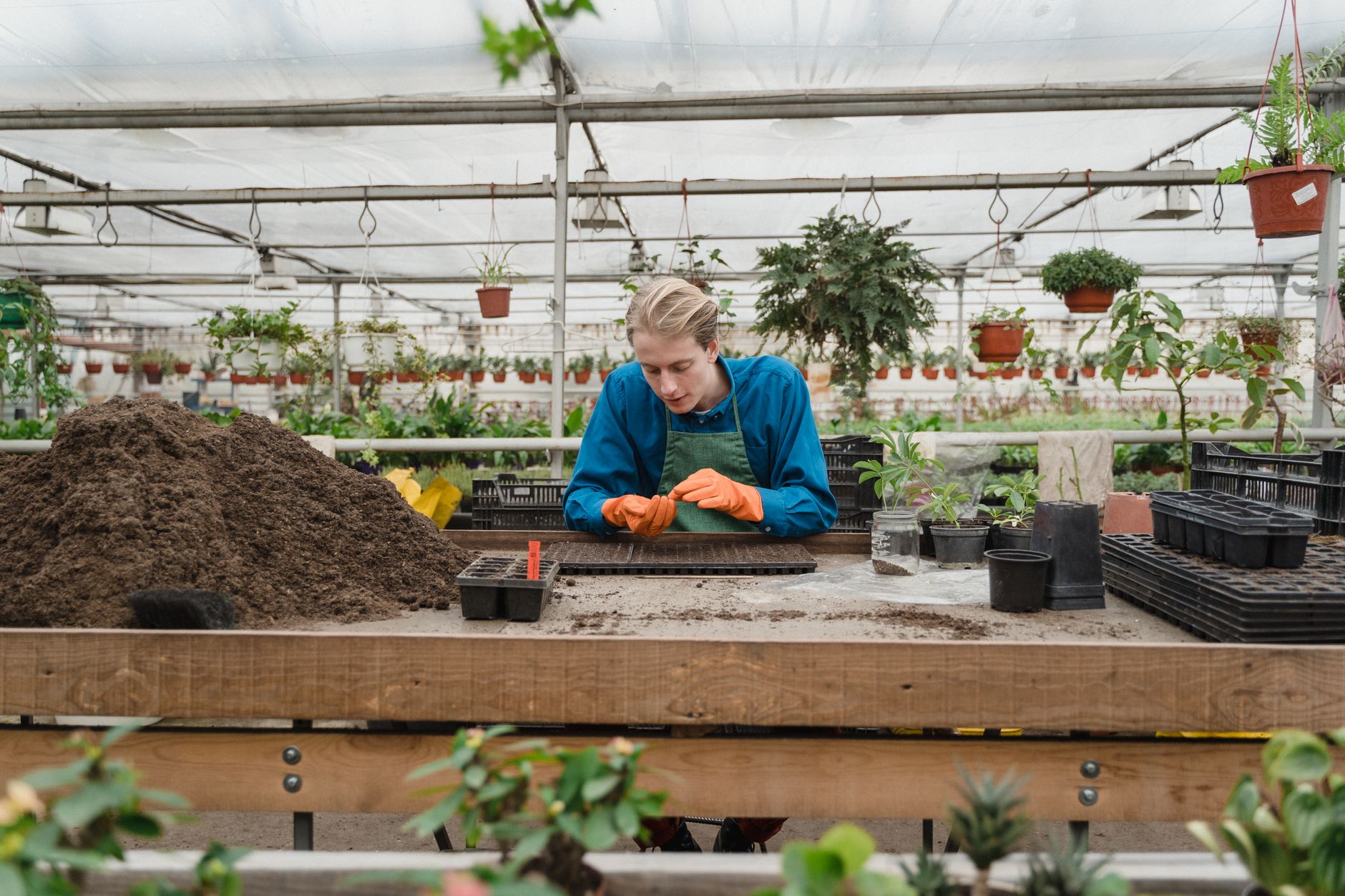
Greenhouse staging refers to raised shelves or work surfaces used for holding pots, seed trays, propagation equipment, and gardening supplies. It helps gardeners make better use of vertical space rather than placing everything directly on the ground.
Raised surfaces can also make plants easier to reach when watering, pruning, checking leaves, or transplanting seedlings. Having frequently used plants at a convenient height can reduce unnecessary bending and make routine gardening more comfortable.
Staging is available in different lengths, heights, and configurations, allowing gardeners to choose arrangements that suit their greenhouse dimensions and growing plans.
Choose the Right Staging Material
The material used for greenhouse staging affects its durability, weight, maintenance, and suitability for different gardening activities.
Aluminium staging is lightweight and naturally resistant to corrosion, making it a practical option for greenhouse environments where watering and humidity are common. It is also relatively easy to move when the layout needs changing.
Steel staging can provide a sturdy surface for heavier pots and equipment, although the protective finish should be checked to ensure it is suitable for damp conditions.
Wooden staging offers a traditional appearance and can complement timber greenhouse structures. However, it may require periodic treatment and inspection to manage moisture exposure.
Plastic staging can be lightweight and convenient to clean. Compare the construction and weight capacity of each option before choosing.
Make Better Use of Available Space
A well-planned staging arrangement can improve the layout of both compact and spacious greenhouses. In smaller structures, narrow shelves can provide additional room for seed trays without taking up too much floor area. Larger greenhouses may accommodate longer staging units or several shelving sections.
Consider the greenhouse door position, internal supports, and available walking space before installing shelves. Leave enough room to move comfortably and access plants at different levels.
Avoid placing staging where it blocks ventilation openings or prevents sunlight from reaching other plants. A balanced arrangement helps maintain an organised interior without making the greenhouse feel overcrowded.
Organise Plants According to Their Needs
Staging can make it easier to group plants according to their growing requirements. Seedlings and newly propagated plants can be placed together, while established herbs and flowers can occupy separate sections.
Arrange containers according to their light and watering needs. Plants requiring frequent attention should be placed where they are easy to reach. Smaller pots can be grouped on shelves, while larger containers remain on the floor where they have sufficient support.
Good organisation also makes it easier to monitor plant development, identify damaged leaves, and notice watering problems before they become more serious.
Consider Adjustable and Practical Designs
Different gardening activities may require different staging arrangements. Fixed shelves provide a consistent storage area, while adjustable designs allow the height or configuration to be changed when plant collections grow.
Some staging units include slatted surfaces that allow water to drain through, helping prevent unnecessary water accumulation around containers. Other designs provide solid work surfaces that may be useful for potting and preparing seedlings.
Check the product dimensions, assembly requirements, stability, and weight capacity before purchasing. Make sure the selected unit is suitable for the greenhouse structure and intended use.
Maintain Your Greenhouse Staging
Regular cleaning helps keep staging hygienic and suitable for plant growing. Remove fallen leaves, spilled compost, and standing water from shelves. Inspect joints, supports, and fastenings periodically to identify signs of wear or instability.
Avoid placing more weight on a shelf than its specified capacity. Keeping the staging organised also makes cleaning and plant maintenance easier.
Create an Organised Growing Environment
Greenhouse staging provides a simple way to improve space management and make plant care more convenient. By selecting suitable materials, dimensions, and shelf arrangements, gardeners can create an organised environment for seedlings, flowers, herbs, and other plants.
With thoughtful positioning and regular maintenance, well-chosen staging can make a greenhouse more functional and enjoyable throughout the growing year.
Key Takeaways
- Greenhouse staging is used for holding pots, seed trays, and gardening supplies on raised shelves or work surfaces to maximize vertical space.
- Aluminium staging is lightweight, resistant to corrosion, and easy to move, while steel offers durability and wooden staging requires periodic treatment for moisture management.
- A well-planned staging arrangement can improve layout efficiency in both small and large greenhouses while ensuring easy access to plants and sufficient walking space.
- Grouping plants on staging according to their specific light and watering needs allows for better monitoring of plant development and care.
- Adjustable staging units offer flexibility to change height or configuration as plant collections grow, while certain designs allow for water drainage to prevent accumulation.
- Regular cleaning and inspection of staging are crucial for maintaining hygiene and structural integrity in the greenhouse environment.

