





state pension income tax regulations are set to change significantly in 2024. This article explores the new rules proposed by Andy Burnham and their implications for taxpayers.
Overview of the New State Pension Rules
The upcoming changes to the state pension income tax rules are set to impact many retirees in 2024. Recent announcements indicate that adjustments will be made to the personal allowance, which is the amount of income you can earn before you start paying income tax. This change is particularly significant for those relying on their state pension as a primary source of income.
Under the new guidelines, the threshold for the personal allowance is expected to increase, allowing pensioners to retain more of their income without incurring tax liabilities. This is a welcome development, especially given the rising cost of living and the financial strain it places on elderly citizens.
Key points regarding the changes include:
- Increased Personal Allowance: The limit for tax-free income is likely to rise, benefiting many retirees.
- Impact on State Pension Income Tax: With the new rules, fewer pensioners may face income tax deductions on their state pension.
- Implementation Date: These changes are scheduled to take effect in April 2024.
Overall, these modifications aim to alleviate financial pressures on the aging population and enhance their quality of life.
Impact on Personal Allowance
The upcoming changes to the state pension income tax are set to have significant implications for individuals nearing retirement. One of the key elements affected is the personal allowance, which determines how much income an individual can earn before they begin paying income tax.
Under the new rules, the personal allowance is expected to adjust, potentially influencing the net income that pensioners receive from their state pension. This adjustment could affect many seniors who rely heavily on their pensions to meet daily expenses.
Key points about the impact on personal allowance include:
- Increased Thresholds: There are discussions about increasing the personal allowance, which could benefit retirees who have other sources of income.
- Tax Implications: Changes to the state pension income tax could lead to higher tax liabilities for some individuals, depending on their total income.
- Long-term Planning: Seniors should consider how these changes may affect their financial planning and retirement savings strategies.
As the government finalizes these changes, it is crucial for those affected to stay informed and prepare accordingly.
What Andy Burnham Proposes
In a recent announcement, Mayor Andy Burnham has proposed significant changes regarding the state pension income tax, aiming to benefit retirees across the region. His plan focuses on adjusting the personal allowance thresholds for pensioners, advocating for a more equitable system that reflects the rising cost of living.
Burnham’s key proposals include:
- Raising the Personal Allowance: The suggestion is to increase the personal allowance specifically for individuals relying solely on state pensions, ensuring that a larger portion of their income remains tax-free.
- Reviewing Tax Bands: He has called for a review of existing tax bands to alleviate the burden on those with limited income, making it fairer for pensioners.
- Engaging with Stakeholders: Burnham plans to engage with local councils and pensioner advocacy groups to gather insights and build support for these changes.
With these proposed adjustments, Burnham hopes to provide relief to many who feel the pinch of taxation on their state pension income. The goal is to ensure that the financial well-being of retirees is prioritized in upcoming budget discussions.
How Changes Affect Taxpayers
The upcoming changes to the state pension income tax are poised to significantly impact taxpayers across the country. As the new rules take effect in 2024, many individuals will need to reassess their financial strategies to accommodate these adjustments.
One major change is the potential increase in taxable income for state pension recipients. With the personal allowance threshold set to remain unchanged, more pensioners may find themselves falling into a higher tax bracket. This shift could lead to an increased financial burden for those relying heavily on their state pensions for support.
Taxpayers in particular should pay attention to the following aspects:
- Increased Tax Liability: Higher state pension income may elevate the tax obligations for many individuals.
- Impact on Financial Planning: It is crucial for those nearing retirement to plan accordingly, considering the potential for higher taxes.
- Advice from Financial Experts: Consulting financial advisors can help navigate these changes and optimize tax situations.
As the 2024 changes unfold, understanding the implications of state pension income tax will be vital for effective financial management.
Understanding Income Tax Basics
Understanding the basics of income tax is essential for navigating the upcoming changes to state pension income tax in 2024. Income tax is a government levy on the income earned by individuals, which includes wages, salaries, and pensions. The amount an individual pays depends on their income level, with various thresholds and allowances in place.
For many retirees, their state pension forms a significant portion of their income. As such, it’s crucial to recognize how this income interacts with personal allowances. The personal allowance is the amount of income one can earn before being subjected to income tax. For the 2024 tax year, changes may affect how much of a retiree’s state pension is taxed.
Individuals need to stay informed about their tax liabilities as government policies evolve. Some key aspects to consider include:
- The current personal allowance threshold
- How the state pension income contributes to overall taxable income
- Potential adjustments to tax rates and thresholds
Being aware of these factors will help taxpayers better prepare for the financial implications of the revised state pension income tax framework.
Future of State Pension Payments
The future of state pension payments is set to undergo significant changes as new regulations come into effect in 2024. With an increasing number of retirees relying on the state pension as a primary source of income, understanding the implications of state pension income tax becomes essential.
As proposed by key figures in the government, including Andy Burnham, the adjustments aim to bring more clarity and fairness to the taxation of pension income. Retirees may soon experience a shift in how their state pension is taxed, which could affect their overall financial planning.
- Increased Awareness: Retirees will need to stay informed about the new tax brackets and allowances that could impact their state pension income.
- Potential for Higher Tax Bills: Those who had previously been outside the income tax threshold may find themselves liable for state pension income tax under the new rules.
- Financial Planning: It is crucial for individuals to review their financial strategies in light of the changing landscape of pension taxation.
As 2024 approaches, ensuring clarity and preparedness will be vital for those affected by these changes in state pension payments.
Public Reaction to the Proposal
Public reaction to the recent proposal regarding state pension income tax has been mixed, with many expressing concerns over how it will affect their financial security. As discussions unfold, several key points have emerged from various community forums and social media platforms.
- Concerns Over Increased Tax Burden: Some pensioners worry that the new rules will lead to a higher tax burden, impacting their disposable income.
- Support for Fairness: Others support the changes, arguing that they create a fairer tax system where all income, including state pensions, is taxed more equitably.
- Calls for Clarity: Many individuals have called for clearer communication from the government regarding how these changes will be implemented and who exactly will be affected.
- Mixed Reactions from Advocacy Groups: While some advocacy groups back the proposal for its potential to increase funding for public services, others warn it could disproportionately affect lower-income pensioners.
As the debate continues, it’s clear that the future of state pension income tax will remain a hot topic, influencing both policy decisions and public sentiment as 2024 approaches.
Next Steps for Taxpayers
As taxpayers prepare for the upcoming changes to the state pension income tax, it is crucial to understand the next steps involved in adapting to these reforms. Individuals nearing retirement should evaluate their current financial situation and consider how the new regulations will impact their income.
Here are some key actions taxpayers can take to ensure they are well-prepared:
- Review Financial Plans: Assess your total income, including state pension and other sources, to anticipate any tax liabilities.
- Consult with Financial Advisors: Seek professional advice to navigate the complexities of the new tax landscape and make informed decisions.
- Stay Informed: Keep up-to-date with government announcements regarding state pension income tax to understand any further changes that may arise.
- Adjust Budgeting Strategies: Make necessary adjustments to personal budgets to account for potential increases in tax obligations.
By taking these proactive steps, taxpayers can better manage their finances and ensure compliance with the new state pension income tax regulations, ultimately leading to a smoother transition into retirement.
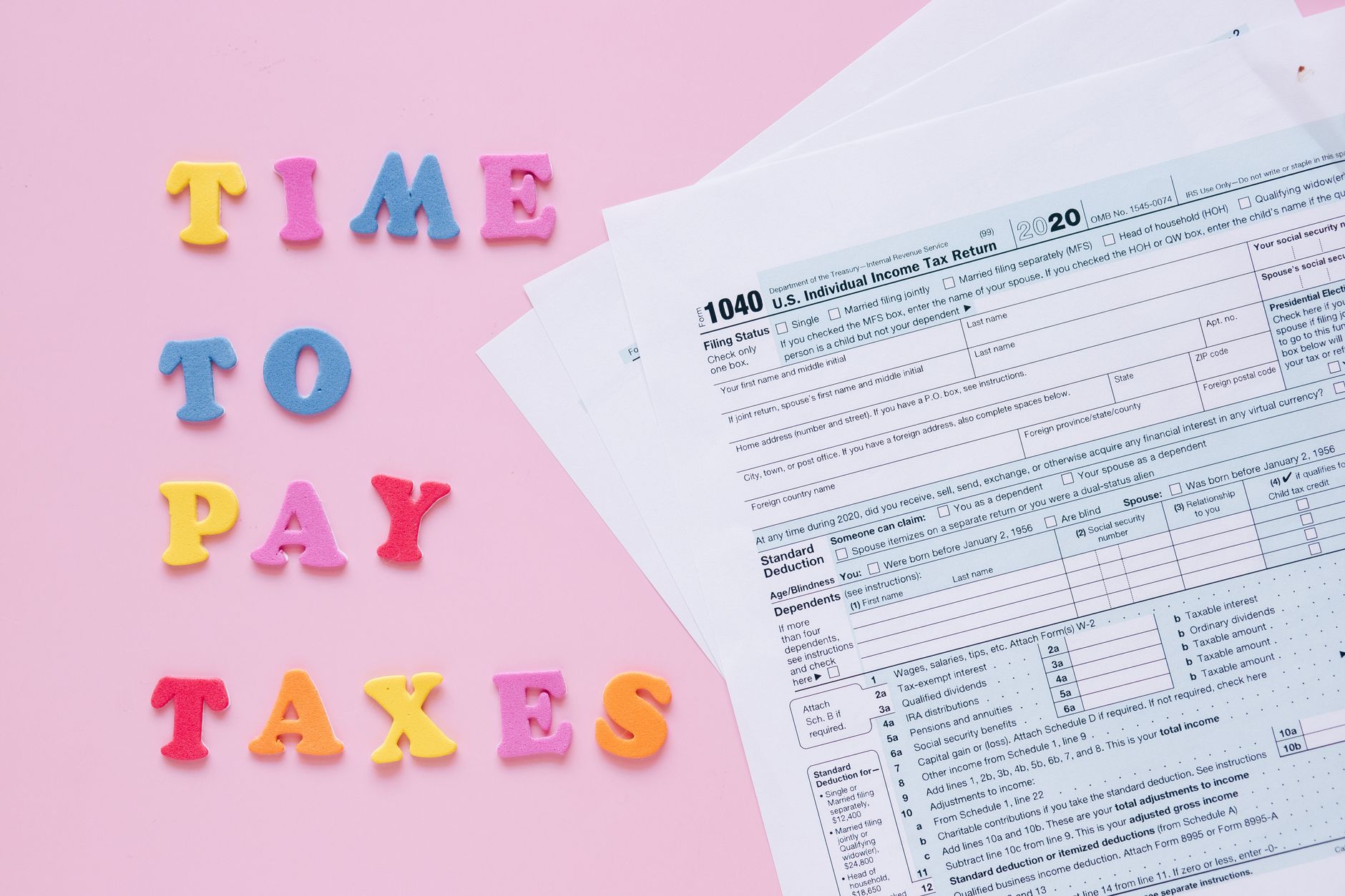
Photo by Leeloo The First on Pexels
References
Related reading
Vizag data centre acquisition: Is it the best investment opportunity? · Maruti Suzuki Nexa benefits: Best Proven Offers Today · Tata Motors EV discounts: Huge Savings of Up to Rs. 3.35 Lakh

